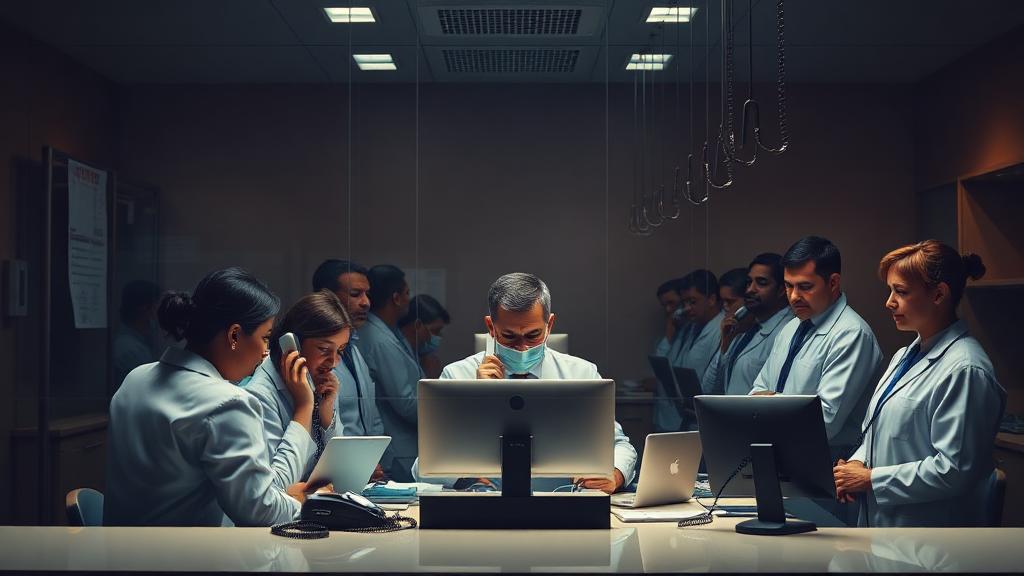
Oral Surgery Referrals Are Lost on Hold
A referring dentist with a patient in the chair will not wait. What structured referral intake looks like, and why it protects the referral pattern.
Table of Contents
Referral relationships in oral surgery are built over years and lost in ninety seconds. The mechanism is almost always the same: an unanswered phone.
The referring office is your least patient caller
When a general dentist calls a surgeon, there is usually a patient in the chair. The referral coordinator has a narrow window between finishing the examination and the patient leaving, and in that window they need a surgeon who answers.
If the call rings out, they do not leave a message and wait. They call the next surgeon on the list. And because the second surgeon answered, the referral pattern quietly shifts — often permanently, and usually without anyone telling you why.
Referral loss is invisible in your reporting
This is what makes it dangerous. A lost referral does not appear anywhere. There is no missed-appointment record, no cancelled booking, no complaint. The only signal is a slow decline in volume from a specific practice, which is generally noticed a year late, if at all.
Tracking referring provider on every inbound call is the minimum defence. It turns an invisible decline into a visible one.
What good referral intake captures
A complete referral intake takes about ninety seconds and captures six things: referring provider and practice, patient details, reason for referral, urgency, imaging availability, and any relevant medical history flags such as anticoagulants or bisphosphonates.
Getting all six on the first call is the difference between a scheduled surgery and three rounds of telephone tag. Getting imaging requested on the call, with a secure upload link sent immediately, removes the most common cause of day-of delay.
Pre-operative instructions are a hidden phone tax
Sedation cases generate a predictable second wave of calls: fasting rules, escort requirements, medication holds, what to wear, whether to take regular blood pressure medication. Each is short. Collectively they consume the same staff who should be capturing referrals.
These are exactly the calls that automate well, because the answers are protocol, not judgement. Reading the key points on the call and texting the full instruction sheet reduces day-of cancellations measurably, because instructions delivered in writing survive better than instructions delivered verbally to an anxious patient.
Post-operative calls need thresholds, not availability
The other predictable wave arrives in the evening after surgery. Bleeding, swelling, pain, and dry socket concerns.
The right structure is a written protocol with explicit thresholds — how long bleeding must persist after pressure, what degree of swelling is expected on day two, what pain level is out of range — and automatic escalation when a threshold is crossed. Everything below it gets your standard guidance and a documented follow-up task.
This protects the surgeon's evenings without leaving genuine complications to a voicemail box.
Third molar season is a capacity problem
Direct-to-patient third molar volume concentrates in summer and winter university breaks. It is predictable, it is large, and it arrives from parents and students who behave like consumers rather than referred patients — they compare, they call several practices, and they book with whoever answers.
Handling that seasonal spike without hiring is a straightforward argument for unlimited-concurrency answering.
What to measure
Referrals received by referring practice, month over month. Share of referral calls answered live. Time from referral call to booked surgery date. Day-of cancellation rate for sedation cases.
Those four numbers make referral health visible. Once it is visible, it is manageable — which is more than most oral surgery practices can currently say about the single most important channel they have.
Mirza Umaid Baig
Co-Founder, Wavez Automation
Co-founder building AI phone infrastructure for US dental practices.
Mirza co-founded Wavez Automation to fix the single biggest revenue leak in independent dental practices: missed phone calls. He works directly with solo dentists and 1–5 location groups on voice-AI deployment, PMS integrations (Dentrix, Open Dental, Eaglesoft), and HIPAA-aligned call workflows.
View author profile →Related Articles

Ready to Transform Your Practice?
See how Wavez AI receptionist can help you capture more appointments, reduce missed calls, and grow your revenue—starting in just 48 hours.