How Small Dental Clinics Compete with Big Chains
Playbook for independents to compete with dental chains using automation. Cut costs, boost bookings, and grow — real ROI and tools.
Table of Contents
DSOs are expanding, ad budgets are rising, and hiring is harder than ever. But you don’t need a corporate back office to win. Smart automation lets small clinics move faster, answer every patient, and fill every chair.
Large dental chains scale because they industrialize the basics—answering every call, following up on leads, and filling last‑minute gaps. Independents can do the same without adding headcount.
You don’t need ten tools and six consultants. You need a tight system that catches missed calls, responds to new‑patient inquiries in minutes, auto‑confirms visits, and fills cancellations before lunch is over.
This article gives small practices a practical automation blueprint. You’ll see where to start, how to measure ROI, and how to keep the personal touch that wins local patients.
We’ll reference earlier breakdowns on costs (Blog 6), the best tools (Blog 8), and why missed calls are revenue killers (Blog 1).
The competitive gap—and how to close it
Key truth: Patients pick the office that answers first and makes booking easy. You can control both.
Book a Free Demo — wavezautomation.online/book-demo
The small-clinic automation stack (lean, not bloated)
1) AI receptionist (phones + SMS + web chat)
2) Two-way reminders and smart waitlists
3) Lead capture + instant outreach
4) Recall/reactivation automation
5) Reputation and review nudges
See our best‑tools roundup (Blog 8) for a deeper dive.
What this looks like day-to-day
The front desk stops firefighting. Your team focuses on patients in front of them and higher‑value coordination.
Book a Free Demo — wavezautomation.online/book-demo
Real numbers small clinics can expect
Use conservative assumptions for a one‑doctor clinic:
Annualized impact:
Total ≈ $86,700/year
This excludes treatment acceptance lift from faster follow‑up and better education.
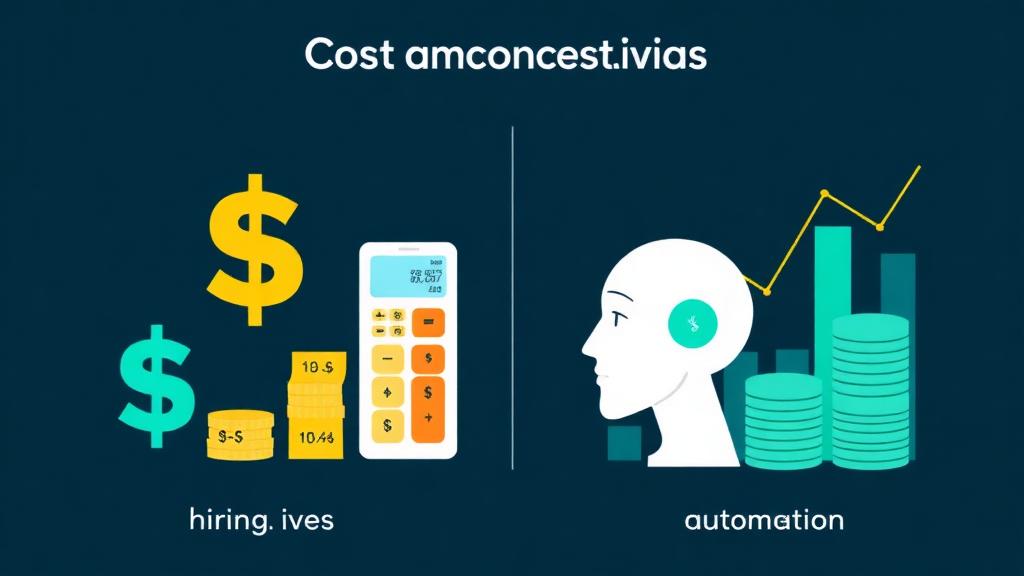
Cost side: automation vs. hiring
Even if automation replaces just part of one FTE’s repetitive workload and adds $50k+ in recovered production, the ROI is clear.
Objections from small clinics—and practical answers
Book a Free Demo — wavezautomation.online/book-demo
Metrics to manage like a DSO (with small‑clinic speed)
Track weekly:
Small clinics win by measuring a few numbers and fixing one blocker at a time.
Real-World Case Study
Riverbend Dental, Tulsa, OK
Profile:
Before:
After 90 days with an AI receptionist and recall automation:
Quarterly impact:
Team notes: Front desk reported fewer phone pileups and more time for financial arrangements.
Why Most Clinics Fail at This
They copy corporate marketing, not corporate operations. Ads without operations just create more missed calls.
They try too many tools at once and never finish setup. A lean stack implemented well beats a bloated stack every time.
They don’t enforce booking rules. Without templates for visit lengths, buffers, and provider preferences, schedules get messy and staff loses trust in automation.
They stop measuring after go‑live. Without weekly scorecards, slippage returns—missed calls creep up, reminders drift, and waitlists die.
Wavez Automation gives small clinics the corporate‑grade reception and follow‑up system—without the corporate overhead. Our AI receptionist answers 24/7, books directly into your PMS, recovers missed calls, runs two‑way reminders, manages waitlists, and reactivates patients.
You set the rules; Wavez executes. No new hiring. No more voicemail black holes. Just more booked visits and a calmer front desk.
Frequently Asked Questions
Q1: What’s the first automation a small dental clinic should implement?
A: AI reception with two‑way reminders. It immediately reduces missed calls and no‑shows, which has the biggest revenue impact with minimal change management.
Q2: Will automation replace my front desk?
A: No. It removes repetitive tasks so your team can focus on in‑office experience, financial coordination, and case acceptance.
Q3: How fast can we see results?
A: Many clinics see lift in the first 2–4 weeks as missed‑call recovery, faster lead response, and better confirmations kick in.
Q4: Can this integrate with my PMS?
A: Yes—modern AI receptionists integrate with major dental PMS systems for real‑time booking, reminders, and record updates.
Q5: How do we keep our brand voice?
A: You control scripts, tone, and templates. Start with your top 30 FAQs, insurance notes, and booking rules. The AI uses your voice.
Wavez Editorial
Wavez Automation Research Desk
Editorial byline reviewed by the Wavez founders before publication.
The Wavez Editorial byline covers research, buyer's-guide, and reference articles compiled by the Wavez Automation team. Every editorial piece is reviewed by co-founders Mirza Umaid Baig or Abdul Ghani Bin Ahmed before publication and cites vendor and government sources where possible.
View author profile →Related Articles
Ready to Transform Your Practice?
See how Wavez AI receptionist can help you capture more appointments, reduce missed calls, and grow your revenue—starting in just 48 hours.