
AI vs Human Receptionist for Dental: The ROI
A comprehensive comparison of AI receptionists and traditional front desk staff across cost, conversion rates, availability, and patient satisfaction.
Table of Contents
Staffing is tight, phones are nonstop, and patients expect instant answers. Do you hire another receptionist—or deploy an AI receptionist to cover every hour? The right choice comes down to ROI and coverage, not hype.
Dental front desks do heroic work. They greet patients, juggle insurance, present treatment, and somehow keep phones moving. But call volume doesn’t respect lunch, weather, or 5 pm.
Adding another human receptionist sounds like the obvious fix. Sometimes it is. But it rarely solves after-hours or weekend calls, and it adds recurring salary, taxes, benefits, training, and turnover.
AI receptionists are now good enough to answer, qualify, and book in real time. They don’t take breaks, and they never let a call go to voicemail. The question isn’t “AI or humans?” It’s “Which work belongs to humans—and what should be automated for coverage, consistency, and ROI?”
This guide breaks down the true costs and benefits of both paths with numbers you can use today.
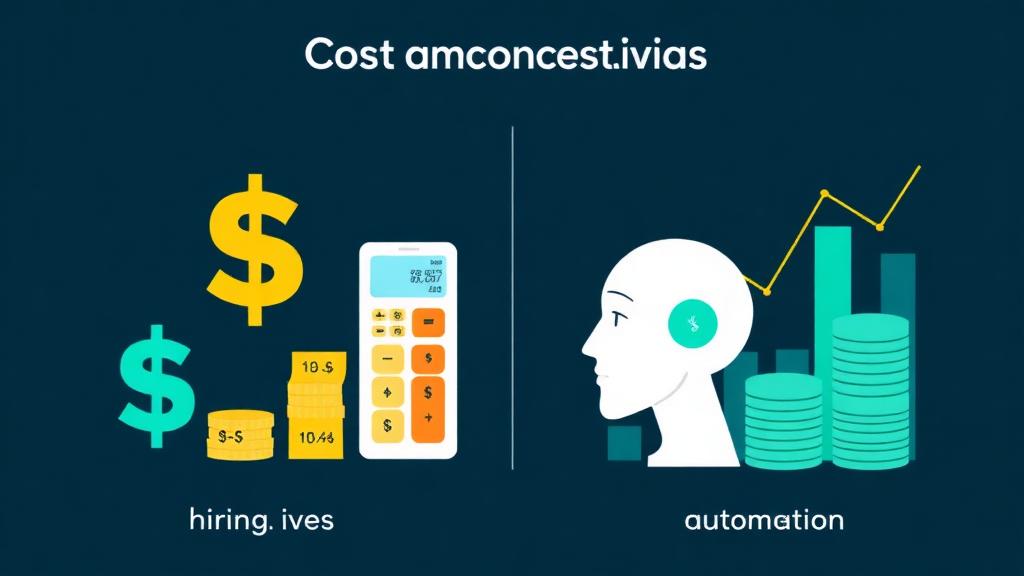
Cost Breakdown: Human Receptionist vs AI Receptionist
Human receptionist (U.S. averages):
Total annual cost for one FTE is commonly $48,000–$60,000+. Two-shift or extended-hours coverage increases that fast.
AI receptionist (typical market range):
Even if you keep your current team, AI can serve as your overflow and after-hours layer for a fraction of one FTE.
Coverage and Capacity: Where AI Wins by Design
Human:
AI:
Key point: Every hour you don’t cover is an hour patients call someone else.
The Revenue Side: New Patients, Recalls, and Emergencies
Think like an owner:
If AI converts even 2 more new patients/week by capturing after-hours and peak-time missed calls, that’s 2 x $1,000 x 48 = $96,000/year. That single gain can pay for AI 10–20 times over, before counting recall or emergency revenue.
Now compare this to hiring:
Objections We Hear—and What the Data Says
Objection: “Our patients want a human.”
Objection: “AI can’t handle insurance questions.”
Objection: “AI won’t sound natural.”
Objection: “Security and HIPAA?”
Total ROI: Humans Doing Human Work, AI Doing the Rest
The front desk should focus on:
AI should handle:
When each does what it does best, you increase booked production without adding payroll risk.
Simple ROI model:
Practical Implementation Checklist
Real-World Case Study
HarborView Smiles, Charleston, SC
Before:
After adding an AI receptionist for overflow + 24/7:
Result: AI didn’t replace staff—it amplified them. The clinic kept its team and added 24/7 capacity without the cost or complexity of another FTE.
Why Most Clinics Fail at This
Clinics try to solve a coverage problem with a staffing-only solution. One more person can’t be in two places at once and won’t cover nights or weekends.
They also under-measure. Without missed-call analytics, owners assume “we answer most calls,” while the logs show predictable blind spots.
Another issue: treating phones as generic admin work. Calls are revenue events. If you wouldn’t leave the operatory empty, don’t leave the phone unstaffed.
Finally, clinics overestimate voicemail and callbacks. In a world of instant options, the first clinic to confirm an appointment usually wins.
Wavez Automation’s AI receptionist is built for dental and MedSpa workflows. It answers instantly, books 24/7, and routes complex questions to your team.
Highlights:
Use your people for human moments—let AI handle the rest.
Frequently Asked Questions
Q1: Will an AI receptionist replace my front desk?
A: No. The best model is augmentation. AI handles first-contact calls, booking, and FAQs. Your team focuses on in-person service and complex conversations.
Q2: Can AI really book into our schedule?
A: Yes. Modern solutions connect to your practice management calendar or a synced layer to show real-time availability and create appointments with the right block type and provider.
Q3: How does AI handle emergencies or complex clinical questions?
A: It prioritizes emergency booking into reserved slots and escalates complex or clinical questions to a designated team member, with a transcript for context.
Q4: What’s the average cost difference?
A: One FTE receptionist commonly costs $48,000–$60,000+ fully loaded. AI receptionist platforms typically run $300–$800/month with 24/7 coverage. Even modest patient gains often produce double-digit ROI.
Q5: What about HIPAA and patient data security?
A: Choose vendors with HIPAA-conscious design, encryption, access controls, and BAAs as needed. Ask for documentation of data handling, retention, and audit practices.
Wavez Editorial
Wavez Automation Research Desk
Editorial byline reviewed by the Wavez founders before publication.
The Wavez Editorial byline covers research, buyer's-guide, and reference articles compiled by the Wavez Automation team. Every editorial piece is reviewed by co-founders Mirza Umaid Baig or Abdul Ghani Bin Ahmed before publication and cites vendor and government sources where possible.
View author profile →Related Articles

Ready to Transform Your Practice?
See how Wavez AI receptionist can help you capture more appointments, reduce missed calls, and grow your revenue—starting in just 48 hours.