
AI Receptionist vs Front Desk Staff: Cost & ROI
A comprehensive comparison of AI receptionists and traditional front desk staff across cost, conversion rates, availability, and patient satisfaction.
Table of Contents
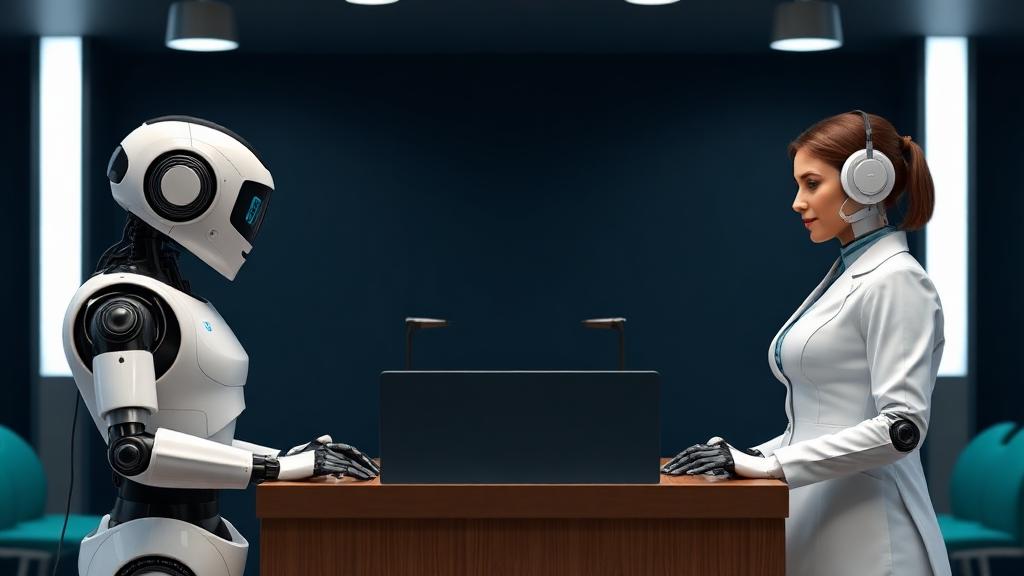
The debate between AI receptionists and traditional front desk staff is heating up as more dental and medical practices explore automation. This comprehensive comparison examines both options across every dimension that matters: cost, performance, patient experience, and practical implementation.
Understanding the Comparison
Before diving into specifics, it's important to clarify: this isn't necessarily an either/or decision. Many successful practices use AI to augment their human staff, not replace them. However, understanding the capabilities and limitations of each approach helps you make informed decisions about your practice's communication strategy.
Cost Comparison
Front Desk Staff Costs
Direct Costs:
Indirect Costs:
Hidden Costs:
AI Receptionist Costs
Direct Costs:
Setup Costs:
Total First-Year Cost: $4,000-$7,000
Cost Analysis
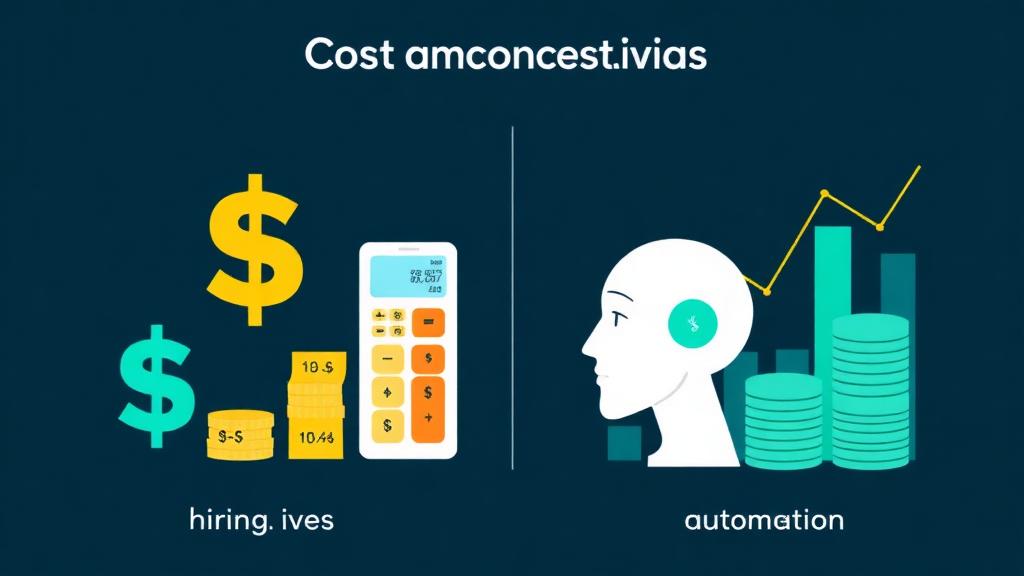
The annual cost difference is striking:
- Human staff: $45,000-$70,000+
- AI receptionist: $4,000-$7,000
Even accounting for the fact that AI doesn't replace all front desk functions, the cost savings are significant for call handling specifically.
Availability Comparison
Human Staff
- Standard hours: 8 hours/day, 5 days/week = 40 hours weekly
- Effective hours: Subtract breaks, meetings, vacation, sick days ≈ 35 hours weekly
- After-hours: Requires overtime or answering service ($200-$500/month additional)
- Holidays: Closed or premium pay
AI Receptionist
- Availability: 24 hours/day, 7 days/week, 365 days/year = 8,760 hours annually
- No breaks: Continuous availability
- No sick days: 100% uptime (99.9% typical guarantee)
- Holidays: Same service level as any other day
Availability Analysis
AI offers 219x more availability than a single employee. For practices receiving after-hours calls, this is transformational.
Performance Metrics
Call Answer Rate
Human Staff:
AI Receptionist:
Call Hold Time
Human Staff:
AI Receptionist:
Appointment Scheduling Accuracy
Human Staff:
AI Receptionist:
Capability Comparison
Tasks Best Suited for Human Staff
1. Complex problem-solving: Unusual situations requiring judgment
2. Emotional support: Anxious patients needing reassurance
3. In-person interactions: Greeting and checking in patients
4. Insurance negotiations: Complex coverage discussions
5. Conflict resolution: Handling complaints and disputes
6. Relationship building: Creating personal connections
Tasks Best Suited for AI
1. High-volume call handling: Managing call overflow
2. After-hours coverage: 24/7 availability without overtime
3. Consistent information delivery: FAQ responses
4. Appointment scheduling: Based on defined rules
5. Appointment reminders: Automated confirmation workflows
6. Call routing: Directing calls to appropriate staff
Tasks Both Handle Well
1. Basic scheduling: Routine appointment booking
2. Information provision: Hours, location, accepted insurance
3. Message taking: Capturing details for callback
4. Confirmation calls: Reminding patients of appointments
Patient Experience Comparison
Patient Preferences
A 2025 healthcare consumer survey revealed:
Preference for Human:
Preference for AI:
No Preference:
Patient Satisfaction Scores
Practices using AI receptionists report:
The key: proper handoff protocols ensure patients reach humans when needed.
Implementation Considerations
Human Staff Implementation
Timeline:
Challenges:
AI Implementation
Timeline:
Challenges:
Hybrid Model: The Best of Both Worlds
Most successful practices don't choose between AI and human staff—they combine them:
Recommended Model
1. AI handles:
- All after-hours calls
- Overflow during peak times
- Routine scheduling and inquiries
- Appointment confirmations and reminders
2. Human staff handles:
- In-person patient interactions
- Complex scheduling situations
- Insurance and billing questions
- Complaints and sensitive matters
- Relationship building with key patients
3. Seamless handoff:
- AI transfers calls when detecting complex needs
- Staff reviews AI interactions for quality
- Continuous optimization based on feedback
Results from Hybrid Practices
Practices using this hybrid model report:
Making the Decision
Choose AI-First If:
Invest in Human Staff First If:
Choose Hybrid If:
Conclusion
The AI vs. human staff debate isn't about choosing sides—it's about understanding where each excels and deploying resources strategically. For most dental and medical practices, AI handles routine calls better and cheaper, while human staff provide irreplaceable value for complex interactions and in-person care.
The winning formula: let AI do what it does best (24/7 availability, consistent performance, routine tasks) while empowering your human team to do what they do best (complex problem-solving, relationship building, personalized care).
The result? Better patient experiences, happier staff, and a healthier bottom line.
Wavez Editorial
Wavez Automation Research Desk
Editorial byline reviewed by the Wavez founders before publication.
The Wavez Editorial byline covers research, buyer's-guide, and reference articles compiled by the Wavez Automation team. Every editorial piece is reviewed by co-founders Mirza Umaid Baig or Abdul Ghani Bin Ahmed before publication and cites vendor and government sources where possible.
View author profile →Related Articles
Ready to Transform Your Practice?
See how Wavez AI receptionist can help you capture more appointments, reduce missed calls, and grow your revenue—starting in just 48 hours.